
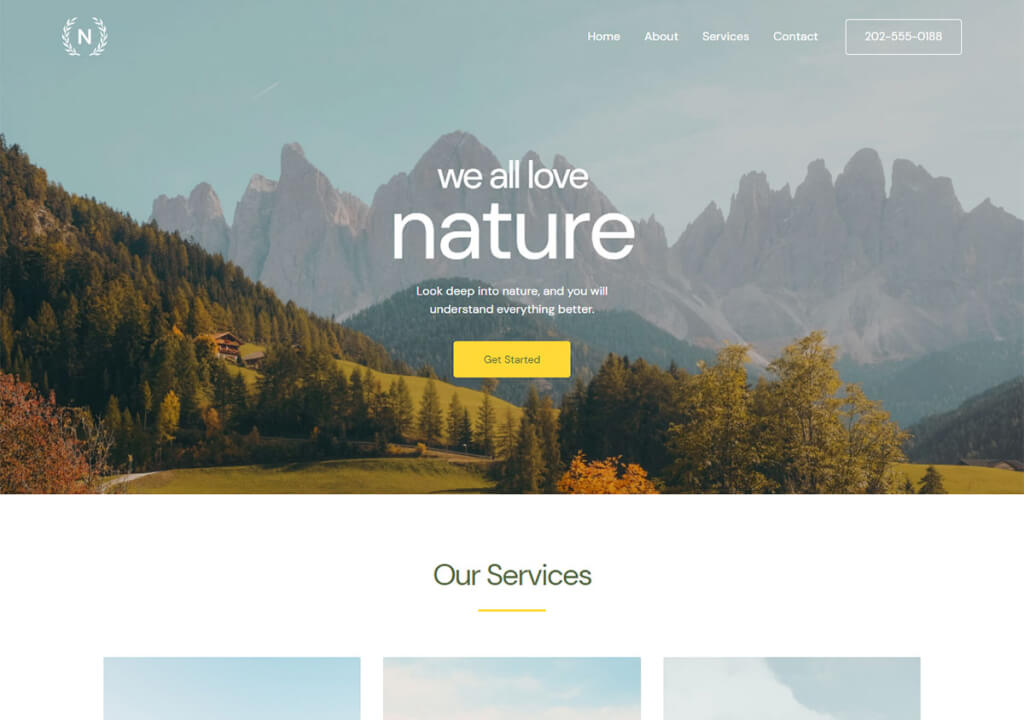
Love Nature is presented here as a WordPress theme/template option for sites that want a clean, nature-inspired look without a complex setup. If you are comparing theme downloads and want a quick, practical overview before installing anything, this page is designed to help you make that decision faster.
The current listing details available for this item are lightweight, so this guide focuses on what is clearly indicated in the package description and what you should verify inside your downloaded files. If you want to explore similar styles first, you can also browse the full themes collection and compare layout, feature depth, and update history before choosing.
Overview
Love Nature appears positioned for simple brochure-style or content-first sites where readability and straightforward navigation matter more than heavy animations. Based on the visible feature set, it emphasizes essentials such as brand identity support, basic map embedding, social linking, and structured page layout.
In practical terms, this makes it a reasonable candidate for personal projects, local organizations, eco-focused initiatives, travel journals, or small businesses that want a lightweight visual identity and do not need a highly custom app-like interface.
If you are deciding between this and another outdoor-oriented design, reviewing Outdoor Adventure can help you evaluate tone and layout fit side by side.
Key Features
Below are the listed capabilities, reframed around user benefit so you can judge whether they match your project needs:
- Custom logo and favicon support: You can align the site with your brand quickly, which is useful for launch-ready presentation and trust.
- Google Maps support: Helpful for businesses, events, or organizations that need clear location context without custom development.
- SEO-ready structure (as listed): The theme is presented as SEO friendly; in practice, results still depend on content quality, speed, and your SEO plugin setup.
- Grid-based layout: Supports cleaner visual organization for posts, galleries, or service blocks, especially on content-heavy pages.
- Social media icons: Makes it easier for visitors to discover your external channels and continue engagement off-site.
- Built-in breadcrumbs: Can improve navigation clarity on deeper page structures and may help users understand page hierarchy.
- HTML5/CSS3 foundation: Indicates modern front-end standards, usually helpful for maintainability and browser consistency.
- Cross-browser compatibility: Intended to deliver stable rendering across common browsers, reducing avoidable UX issues.
Who This Theme Is Best For
Love Nature is a strong fit if your goals are clarity, speed of setup, and an approachable visual style.
This theme may work well for:
- Small organizations or nonprofits sharing initiatives, events, and contact information.
- Local businesses that need a clean homepage, service pages, and map visibility.
- Personal bloggers or creators focused on nature, lifestyle, travel, or minimal storytelling formats.
- Users moving from an older theme who want a simpler interface without rebuilding an entire site architecture.
It may be less ideal if you need advanced eCommerce workflows, highly interactive components, or deep custom post type ecosystems out of the box.
Setup / Getting Started
Use this checklist to install and evaluate Love Nature efficiently:
- Back up your current site before changing themes, especially on a live production install.
- Install the theme package from your WordPress dashboard (
Appearance → Themes → Add New → Upload Theme) or via your hosting file manager. - Activate and review core pages (home, blog, contact, key landing pages) to spot layout shifts early.
- Set branding basics: upload logo, set favicon, define menu structure, and confirm footer/social links.
- Configure map and navigation elements where relevant (for example, contact page location and breadcrumb behavior).
- Add essential plugins only as needed (SEO, caching, security, forms). If you are still selecting tools, review the plugins category to keep your stack focused.
- Run a mobile and browser check before launch updates so typography, spacing, and menus behave consistently.
- Measure performance after setup using your preferred speed tools, then optimize images, caching, and unused plugins.
If your downloaded package includes documentation or demo import data, follow those instructions first because option names and setup flow can vary by build/version.
Compatibility & Requirements
The listing indicates a standards-based front end (HTML5/CSS3) and cross-browser intent, which typically aligns with modern WordPress usage. Still, compatibility should always be validated in your own environment.
Before committing, verify:
- WordPress version support in the package documentation.
- PHP/MySQL recommendations from your host and theme author notes.
- Plugin conflict risk with your existing SEO, page builder, caching, and security tools.
- Child theme readiness if you plan long-term customizations.
- Update frequency and changelog availability if maintenance stability is a priority.
A short staging test is the safest path: install, check templates, test forms/navigation, and confirm no critical warnings appear.
Pros and Limitations
Pros
- Focused on practical website essentials rather than bloated visual effects.
- Suitable for users who want a clean structure and quick branding updates.
- Includes common quality-of-life elements like social icons and breadcrumbs.
- Can be a good starting point for content-first websites with modest technical complexity.
Limitations
- Public listing details are limited, so deeper capabilities (builder compatibility, custom widgets, update cadence) are not fully clear without checking package docs.
- "SEO support" should not be interpreted as guaranteed rankings; content strategy and technical optimization still drive outcomes.
- May require extra plugins for advanced features some users expect by default (forms, performance tuning, schema add-ons, advanced analytics).
- Style flexibility may be sufficient for many users, but highly custom visual systems could need additional development work.
FAQ
1) How do I download the Love Nature theme?
Use the download option provided on this listing page and install the ZIP file through the WordPress theme uploader. If a separate child theme or documentation file is included, keep those files available during setup.
2) Is Love Nature free, premium, or licensed in a specific way?
Licensing depends on the source package attached to this listing. Check the included license/readme files for redistribution rights, commercial usage terms, and update eligibility.
3) Can I customize fonts, colors, and layout sections?
Most WordPress themes support basic customization through the Customizer or theme options panel. The exact range of controls for Love Nature should be confirmed in its documentation and live option settings.
4) What kind of support is available if something breaks?
Support depends on where and how the theme package was distributed. Confirm whether documentation-only support, ticket support, or community support is provided before relying on it for production deadlines.
5) Will this theme perform well on mobile and search?
The listed feature set suggests a modern baseline, but real performance depends on hosting quality, image optimization, plugin load, and content structure. Always test mobile UX, Core Web Vitals, and crawlability after launch.
SEO Snippet Suggestion
- Suggested meta title (50-60 chars):
Love Nature WordPress Theme Download & Setup Guide - Suggested meta description (140-160 chars):
Explore the Love Nature WordPress theme: features, setup steps, compatibility notes, pros, limitations, and FAQs to help you decide before downloading.